
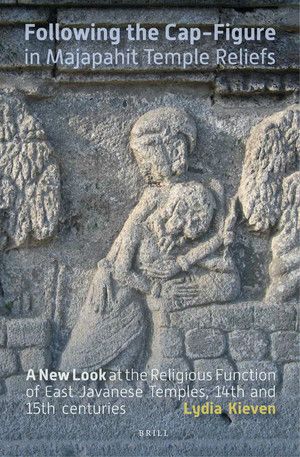

Following the Cap-Figure in Majapahit Temple Reliefs: A New Look at the Religious Function of East Javanese Temples, Fourteenth and Fifteenth Centuries
Following male figures wearing a cap (cap-figures) in temple reliefs of the Javanese Majapahit period (ca. 1300-1500) leads to astonishing results on their meaning and function. The cap-figures, representing commoners, servants, warriors, noblemen, and most significantly Prince Panji, the hero from the East Javanese Panji stories, are unique to depictions of non-Indic narratives. The cap-figure constitutes a prominent example of Majapahit’s creativity in new concepts of art, literature and religion, independent from the Indian influence. More than that, the symbolic meaning of the cap-figures leads to an esoteric level: a pilgrim who followed the depictions of the cap-figures and of Panji in the temples would have been guided to the Tantric doctrine within Hindu-Buddhist religion.
| Publication Language | English |
|---|---|
| Publication Access Type | Freemium |
| Publication Author | Lydia Kieven |
| Publisher | Brill |
| Publication Year | 2023 |
| Publication Type | eBooks |
| ISBN/ISSN | * |
| Publication Category | Open Access Books |
Kindly Register and Login to Shri Guru Nanak Dev Digital Library. Only Registered Users can Access the Content of Shri Guru Nanak Dev Digital Library.
You must be logged in to post a review.





Reviews
There are no reviews yet.