
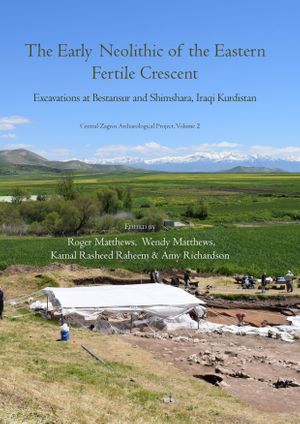

The Early Neolithic of the Eastern Fertile Crescent: Excavations at Bestansur and Shimshara, Iraqi Kurdistan
The Eastern Fertile Crescent region of western Iran and eastern Iraq hosted major developments in the transition from hunter-forager to farmer-herder lifestyles through the Early Neolithic period, 10,000-7000 BC. Within the scope of the Central Zagros Archaeological Project, excavations have been conducted since 2012 at two Early Neolithic sites in the Kurdistan region of Iraq: Bestansur and Shimshara. Bestansur represents an early stage in the transition to sedentary, farming life, where the inhabitants pursued a mixed strategy of hunting, foraging, herding and cultivating, maximizing the new opportunities afforded by the warmer, wetter climate of the Early Holocene. They also constructed substantial buildings of mudbrick, including a major building with a minimum of 65 human individuals, mainly infants, buried under its floor in association with hundreds of beads. These human remains provide new insights into mortuary practices, demography, diet and disease.
| Publication Language | English |
|---|---|
| Publication Access Type | Freemium |
| Publication Author | Kamal Rasheed Raheem |
| Publisher | Oxbow Books |
| Publication Year | 2023 |
| Publication Type | eBooks |
| ISBN/ISSN | 9780000000000 |
| Publication Category | Open Access Books |
Kindly Register and Login to Shri Guru Nanak Dev Digital Library. Only Registered Users can Access the Content of Shri Guru Nanak Dev Digital Library.
You must be logged in to post a review.




Reviews
There are no reviews yet.