
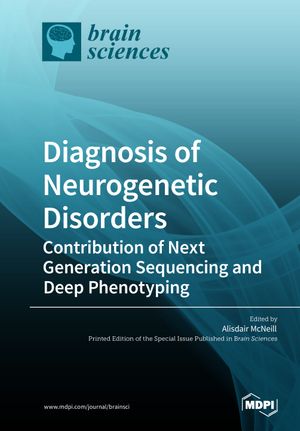

Diagnosis of Neurogenetic Disorders: Contribution of Next Generation Sequencing and Deep Phenotyping
The contribution of genomic variants to the aetiopathogenesis of both paediatric and adult neurological disease is being increasingly recognized. The use of next-generation sequencing has led to the discovery of novel neurodevelopmental disorders, as exemplified by the deciphering developmental disorders (DDD) study, and provided insight into the aetiopathogenesis of common adult neurological diseases. Despite these advances, many challenges remain. Correctly classifying the pathogenicity of genomic variants from amongst the large number of variants identified by next-generation sequencing is recognized as perhaps the major challenge facing the field. Deep phenotyping (e.g., imaging, movement analysis) techniques can aid variant interpretation by correctly classifying individuals as affected or unaffected for segregation studies. The lack of information on the clinical phenotype of novel genetic subtypes of neurological disease creates limitations for genetic counselling. Both deep phenotyping and qualitative studies can capture the clinical and patient’s perspective on a disease and provide valuable information. This Special Issue aims to highlight how next-generation sequencing techniques have revolutionised our understanding of the aetiology of brain disease and describe the contribution of deep phenotyping studies to a variant interpretation and understanding of natural history.
| Publication Language | English |
|---|---|
| Publication Access Type | Freemium |
| Publication Author | Alisdair McNeill |
| Publisher | MDPI |
| Publication Year | 2023 |
| Publication Type | eBooks |
| ISBN/ISSN | 9780000000000 |
| Publication Category | Open Access Books |
Kindly Register and Login to Shri Guru Nanak Dev Digital Library. Only Registered Users can Access the Content of Shri Guru Nanak Dev Digital Library.
You must be logged in to post a review.





Reviews
There are no reviews yet.