
Magzter Books

Madadgar Birbal (Hindi)
Birbal, whose real name was ‘Maheshdas’, was one of the ‘nine gems’ of court advisers of Akbar the Great. He composed poetry by another pen name ‘Brahma’. He led a famous expedition into faraway Afghanistan and managed to subdue the turbulence there. Hearing the news of his death there, Akbar burst forth: “Birbal, you always gave the helpless whatever you had. I am helpless now and yet you have left notHing for me!” Birbal’s name however does not rest on these achievements. He turned into a legend by the innumerable stories of his wit and wisdom, sense of justice and fair play and above all, his uncanny skill in turning the tables on his detractors. Here is a sampling of four stories. In one story, some evil courtiers try to trick Akbar into executing Birbal so he can find out how Akbar’s ancestors are doing in heaven. Read how Birbal gets out of this and many other traps.
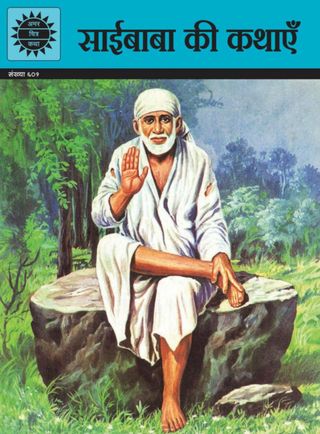
Saibaba ki Kathayen (Hindi)
Nobody knows for certain when Sai Baba was born or who his parents were or what his real name was. He arrived one day in 1872 at Shirdi in Maharashtra. He was dressed like a fakir (Muslim ascetic) and lived in a dilapidated mosque but spoke of a Hindu guru, whom he called Venkusa. He seemed to be well acquainted with the (Hindi) scriptures but at the same time was heard to quote from the Quran. The word Sai is a Persian word meaning ‘saint’ and Baba is a (Hindi) word meaning ‘father’. As his name would indicate, Sai Baba has both Hindu and Muslim disciples. He did not approve of conversion and believed that everyone had a right to follow his own path to God. EverytHing that is known about his beliefs however, is deduced from his actions. He was not given to theorizing. Sai Baba died in 1918. Even during his lifetime he had become famous and now, after his death, Shirdi (where he had lived for almost half a century) has become a place of pilgrimage where hundreds of devotees congregate every year. The tales in this Amar Chitra Katha are based on reports from Sai Baba’s devotees.
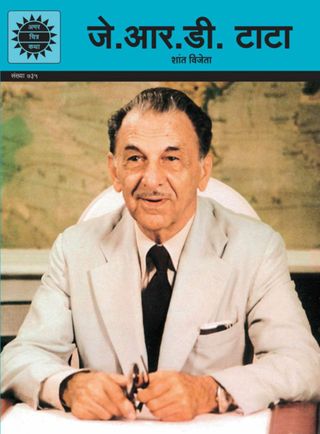
J.R.D TATA (Hindi)
Born in Paris in July 1904, Jehangir Ratanji Dadabhoy Tata was the second child of Ratanji Dadabhoy Tata and his French wife Sooni. His childhood was spent in different countries and he schooled in Paris, Mumbai and Yokohama. A joyride on a plane sparked off a passion for soaring in the skies. It was then that the fifteen-year-old boy decided that one day he too would fly. He had to wait ten years for it to happen. The first flight of the Indian civil aviation took off at Karachi in October 15, 1932 with JRD Tata at the controls of a Puss Moth that he flew solo to Ahmedabad and onward to Bombay. In 1938 at the age of thirty four, JRD was placed at the head of India’s largest industrial empire. For over half a century, JRD guided the destiny of the Tatas. Despite enormous pressure on his time, JRD took the role of citizen very seriously and never failed to be of service to the nation. He was a patron of the arts and supported India’s progress to become a scientifically advanced nation. For these endeavors, JRD Tata was awarded the country’s highest civilian honor, the Bharat Ratna in 1992. Yet he remained at heart a simple, unassuming person, who refused to take himself seriously. Years after his pioneering flight on the Puss Moth, he re-enacted the event to inspire a little hope and enthusiasm in young people of the country.
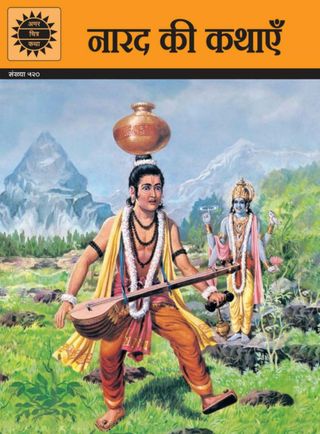
Narad Ki Kathayen (Hindi)
Narada is a sage, most devoted to Vishnu, the protector god. He is ever on the move, singing praises of the god. Yet, even he does not escape being led astray by the god of love or by pride in his devotion itself. The stories here are meant to be lessons in humility and in the superiority of the devotion of commoners during their daily toils.
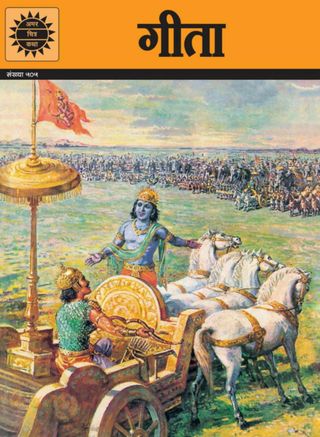
Geeta – Hindi
The Gita or The Bhagavad Gita is a philosophical exposition that was presented by Lord Krishna. It is in the form of a dialogue between Krishna and his close friend Arjuna. This conversation took place in the middle of a battlefield with the two sides arrayed for war.The Gita (Amar Chitra Katha) is a comic book presentation of the work and is at an introductory level appropriate for younger readers. Amar Chitra Katha is a popular comic book series in India, and it mainly presents tales from Indian epics, the Puranas, and classical works.The Gita (Amar Chitra Katha) presents the profound philosophy of the Bhagawad Gita at a basic level for young readers. The script writers had the help of Sri CHinmayananda and His Holiness Swami Ranganathananda in deciding what to include and how to present it.The philosophy of the Gita draws on older works like the Upanishads. The Gita provides a crisp and practical philosophy that is very flexible in allowing for many interpretations. As this might cause confusion in young readers, The Gita (Amar Chitra Katha) sticks to a fundamental presentation, allowing the readers to explore further on their own if they are interested.
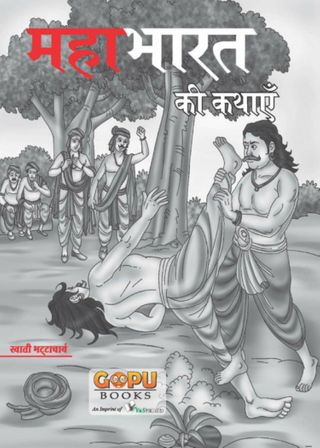
Mahabharat Ki Katha
mahaabhaarat kee yah pauraanik katha kuruvansh ke raaja shaantanu se shuroo hotee hai. pooree katha kuruvansh ke uttaraadhikaar ke prasang ko lekar kaurav aur paandav vansh ke ird-gird ghoomatee hai. vaise to mahaabhaarat kee katha kaaphee lambee hai. lekin hamane mahaabhaarat kaal ke vibhinn prasangon se judee das aakarshak kahaaniyon ka sankalan prastut pustak mein kiya hai. pratyek kahaanee ke saath usase sambandhit chitr bhee die gae hain, jisase sabhee kathaen jeevant prateet hotee hain. pratyek kahaanee ke ant mein kathin shabdon ke saral roop bhee bahut gae hain. pustak kee bhaashsha saral aur sugam hai. hamen vishvaas hai ki yah pustak bachchon ka svasth manoranjan karane ke saath-saath unaka gyaanavardhan bhee karegee. ham bachchon ke abhibhaavakon ko yah vishvaas dilaate hain ki hamaaree pustaken aadarsh aur saamaajik jimmedaaree ke anuroop gunavatta se yukt aur saahityik maanakon ko bhee poora kar rahee hain. pratyek ghar mein pathaneey kahaanee kee ek utkarsh pustak!
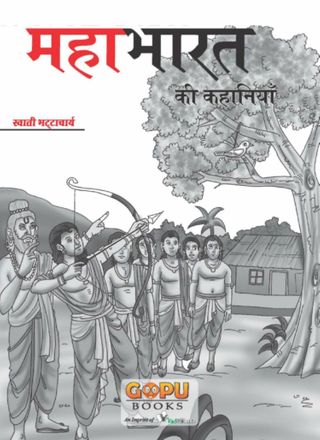
Mahabharat Ki Kahani
mahaabhaarat kee yah pauraanik katha kuruvansh ke raaja shaantanu se shuroo hotee hai. pooree katha kuruvansh ke uttaraadhikaar ke prasang ko lekar kaurav aur paandav vansh ke ird-gird bhasm hai. vaise to mahaabhaarat kee katha kaafee lambee hai. lekin hamane mahaabhaarat kaal ke vibhinn prasangon se judee das aakarshak kahaaniyon ka sankalan prastut pustak mein kiya hai. pratyek kahaanee ke saath usase sambandhiaat chi = bhee diya gaya hai, jisase sabhee kathaen jeevant prateet hotee hain. pratyek kahaanee ke ant mein kathin shabdon ke saral roop bhee bahut gae hain. pustak kee bhaashsha saral aur sugam hai. hamen vi “vaas hai ki yah pustak bachchon ka svasth manoranjan karane ke saath-saath unaka gyaanavardhan bhee karegee.
ham bachchon ke abhibhaavakon ko yah vi “vaas dilaate hain ki hamaaree pustaken vigyaapan” ars aur saamaajik jimmedaaree ke anuroop gunavatta se yukt aur saahityik maanakon ko bhee poora karatee hain.
pratyek ghar mein pathaneey kahaanee kee ek utkarsh pustak!
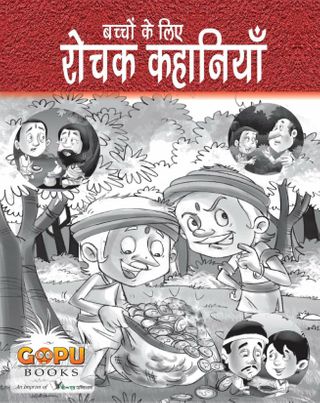
Rochak Kahaniyan
“This book Interesting Tales for Children makes a strong case that well-chosen stories give children good role models and increase their empathy for others. It doesn’t just hand children simplistic moral precepts, but give them the opportunity to think about and discuss moral choices.
Interesting Tales for Children is a compilation of 50 one-page short stories for children. Language used is elementary and simple. Each story comes with a caricature type illustration in black & white to retain interest of young readers. The moral at the end of the story summaries precisely what the child is supposed to learn!
These stories educate children about a family, tradition, ethos, social mores or share cultural insight or a combination of all these. Thoughtful stories not only provide enjoyment, they also shape and influence lives of children.
We have published following books in this series:
Legendary Tales for Children
Jungle Tales for Children
Folk Tales for Children
Interesting Tales for Children
Ramayana Tales for Children
These books don’t offer theoretical moral values or claim to preach to children. They show the way!!
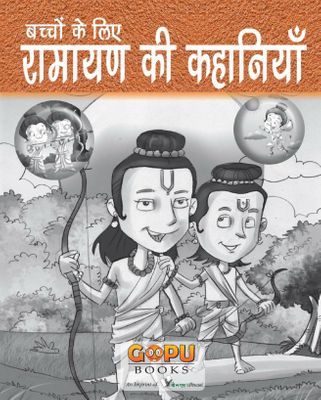
Ramayan Ki Kahaniyan
“Ramayana is one of the most popular epics in the world, having been translated into various languages. It is a tale of Ram, the prince of Ayodhya, who was banished to the forest for 14 years. To honour his father’s word, he agreed to be exiled without any murmur or rancour. In the forest, Ram, his wife Sita and his brother Lakshman met saints, new friends and strange foes. Each day brought new adventures. But their spartan, yet happy life was spoilt when Ravan of Lanka, the king of demons, abducted Sita. To rescue her, Ram enlisted the help of the vanar sena (monkey army) of Hanuman. In that battle many heroes died and new ones had come alive.
The book Ramayana Tales for Children is a compilation of 40 one-page stories for children. Language used is plain and simple. Each story unfolds the way original epic proceeds. Long details have been dispensed with while retaining the essence that children can easily grasp. The stories come with realistic caricature based illustrations to retain interest of young readers.
In this vividly told vibrant version for children, the ancient epic unfolds many unpredictable twists and turns. The traditional ingredients are all there – adventure and excitement, love and war and an infinite number of stories within stories, as are the traditional characters – monkeys, who cross a sea to lay floating bridge and also carry on their finger life-giving herbs found only on a mountain, besides shape-changing demons and monsters of many varieties. The epic has been rendered traditional and contemporary by the freshness and vitality of the author J.M.Mehta and exuberant illustrations that retain the interest of children till the last.
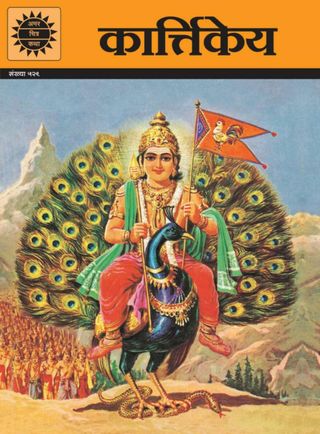
Kartikkeya (Hindi)
The Puranas describe Karttikeya, a son of Shiva, as the commander-in-chief of the celestial army. He is also known as Subrahmanya, Skanda, Guha and Kumara. To the Tamil-speaking people he is Murugan. The six-headed, twelve-armed Karttikeya seated on a peacock is the symbol of youth, beauty, valor and supreme wisdom. This Amar Chitra Katha is based on the Tamil version of Skanda-Purana-Samhita.
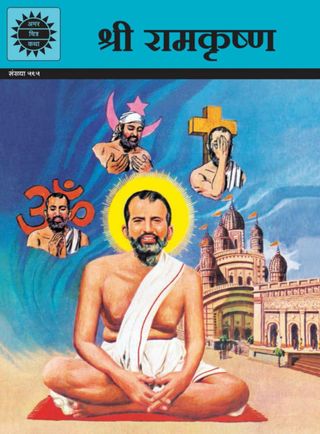
Sri Ramakrishna (Hindi)
To his admirers, he is a great teacher and a saint. To his devotees, he is a divine incarnation. Summing up the life of Sri Ramakrishna, Will Durant, in his The Story of Civilization, writes: ” All religions are good, he taught his followers; ‘All rivers flow to the ocean. Flow and let others flow too! He tolerated sympathetically the polytheism of the people and accepted humbly the monism of the philosophers but in his own living faith God was a spirit incarnated in all men and the only true worship of God was the loving service of mankind.”
Akber-Birbal Ki Katha
beerabal akabar ke navaratnon mein se ek tha. jab bhee baadashaah akabar ko darabaar mein koee pareshaanee hotee hai ya unake man mein koee majaak nahin hota hai to vah beerabal ke gyaan kee pareeksha lene ke lie usase koee savaal nahin poochhate the. har baar beerabal apanee buddhimatta aur taajajavaabee ke kaaran baadashaah kee pareeksha mein khara utarata tha. jabaki beerabal ke adhik lokapriy hone ke kaaran any darabaaree beerabal se kaaphee eershya karate the. ve beerabal ko neecha dikhaane ka koee bhee mauka apane haath se jaane nahin dena chaahate the. prastut pustak akabar beerabal ke nok jhonk par aadhaarit aisee hee pandrah chuninda kahaaniyon ka sankalan hai. aaj kee aandil, ubaoo aur tanaav bharee zindagee mein sabhee umr ke logon ke beech haas-parihaas ka ras gholane ke lie akabar beerabal kee kahaanee aapake saamane prasutat hai. baadashaah akabar ke darabaar mein beerabal ke samaan klastar aur gajajab koee doosara darabaaree nahin tha. pratyek kahaanee paathakon ka bharapoor manoranjan karane ke saath unaka gyaanavardhan bhee karata hai.
Panchatantra Ki Katha
panchatantr chhote bachchon ke svasthy manoranjan ke lie likhee gayee kahaanee kee ek lokapriy pustak hai. in kahaaniyon ko hamaaree paaramparik lokakathaon se chuna gaya hai. jisamen jeevan ke un paanch rananeetiyon ke baare mein bataaya gaya hai, jise seekhakar manushshy apane lakshyon ko praapt kar sakata hai. ‘panch’ ka arth paanch tatha ‘tantr’ ka arth rananeeti hai. panchatantr ke rachanaakaal ka theek-theek samay kisee ko bhee gyaat nahin hai. phir bhee vidvaanon ka aisa maanana hai ki isake lekhak vishshnu sharma hain. kuchh logon ka yah bhee maanana hai ki ‘panchatantr’ ka rachana ttagved jitanee puraanee ho sakatee hai. aamataur par sabhee chhote bachche ise padhakar apana manoranjan kar sakate hain, lekin badee umr ke bachchon ko bhee ise ruchi lekar padhate dekha gaya hai
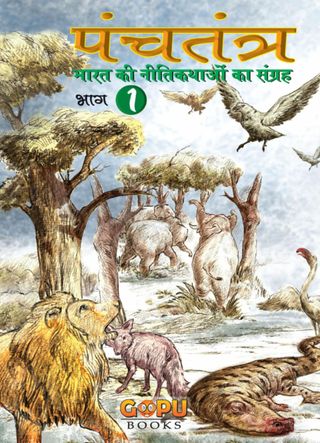
Panchatantra – Bhaag 1
“Panchatantra is perhaps the oldest collection of Indian fables still gaining strength and moving ahead. It is believed to have written around 200BC by the great Hindu Scholar Pandit Vishnu Sharma. Panchatantra means “”the five principles”. It is a “”Nitishastra”” which means book of wise conduct in life. Panchatantra consists of five books: 1. Mitra Bhedha (The loss of friends); 2. Mitra Laabha (Gaining friends); 3. Kakolukiyam (Crows and owls); 4. Labdhap-ranasam (Loss of gains); and 5. Aparikshitakarakam (Ill-considered actions). The simple stories of Panchatantra have stood the test of time in the modern age of materialism, stressful living and individualism, and aim to guide the young readers on how to attain success in life by understanding human nature.
Key Features:
Written in simple and lucid language
Each story is supplemented by a moral
Word meaning for vocabulary building
Practice exercise given for better understanding
Panchatantra is commonly available in an abridged form for children. It is an ideal book worth going through many times over. Honestly speaking, it is of far more practical importance for elders to read this book since it is they who always come in contact with people having good, doubtful or bad intensions and motives.
A must read for students of all age groups.

Jamsetji Tata (Hindi)
They said Jamsetji Nusserwanji Tata turned mud into gold or was it skilful management, clear tHinking and honesty that did the trick? He had an uncanny knack for recognizing a good business opportunity and a selfless will to improve the lot of his countrymen. Thus a little known Zoroastrian family became the foremost business house in India’s industrial history.
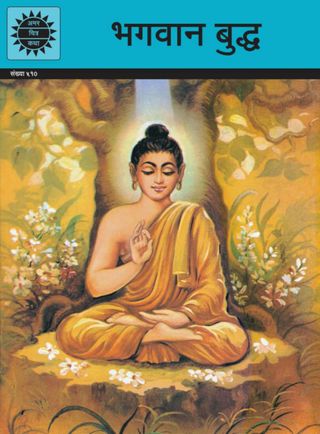
Buddha (Hindi)
In the area on the present border of India and Nepal, there was a small kingdom in the 6th century before the Common Era. When the prince was born, fortune-tellers forecast that he would be either a great king or a great saint. The king took every care to keep him in a life of pleasure so he would become king, not saint. The prince grew to be a strong, handsome youth. Yet he was kind, he saved a bird struck by his cousin’s arrow and so claimed the bird as his. One day, on a ride outside the palace through the city, he saw a sick, an old and a dead man. Their sight opened his eyes to the suffering in the world and set him tHinking. One night, he left his wife, newborn son and the palace and went in search of knowledge to end suffering in the world. He traveled far and wide and went through many austerities but realized that, sorrow can be ended, not by starving the body but by freeing oneself from desire. He set out teacHing this. People called him Buddha (‘the Enlightened’). He started preacHing against animal sacrifice as the means to satisfy desires. Soon commoners and kings alike started listening to him. There were detractors too but he came out unharmed through all their evil designs. Back to his town during his travels, he finally won over his own family to his teacHings.
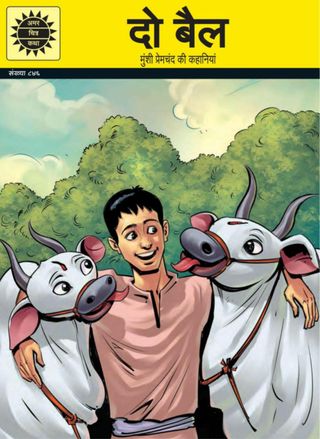
Do Bail
This is the (Hindi) Edition of two of Munshi Premchand’s most popular stories, “Do Bael” and “Budhi Kaki”. Munshi Premchand (1880 – 1936), one of the most famous writers of the 20th century, was known for his very insightful and accurate portrayal of Indian society. Even though he lived in the beginning of the last century, his stories are relevant to modern life. Two Oxen or Do Bael, talks about compassion towards all creatures. Heera and Moti are two oxen who are shocked by the harshness of the world outside their home. It is a world that cannot understand them and only uses them and other animals, for their own needs. The Aged Aunt or Budhi Kaki, is the story of the bond between a little girl and her aged and neglected grand-aunt. In a household where Kaki is often forgotten and left cold and hungry, it is little Laadli who brings her joy with the warmth of her caring.
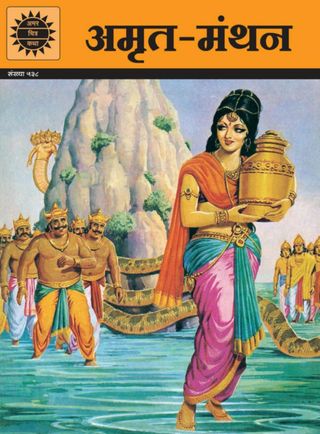
Amrut Manthan (Hindi)
The three worlds of the universe were reeling from shock: the asuras had taken control! Even the plants were withering away. Only the great Lord Vishnu could make tHings right again. He got both devas and asuras to churn up life-giving nectar from the ocean of milk and then ensured that the asuras were kept away from this gift of immortality.
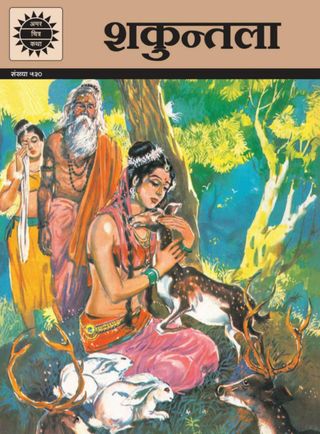
Shakuntala (Hindi)
Shakuntala was the daughter of a nymph and a sage who abandoned her in the woods. Sage Kanva brought her up. King Dushyanta on a visit to the hermitage was struck with Shakuntala’s beauty and they got married in a non-traditional ceremony. The king eventually returned back, leaving with Shakuntala a ring that carried his seal. After a when she came to live with the king, he did not remember anytHing about her and asked for proof of their being together. Shakuntala had lost the ring and could not produce any proof. So rejected by the king, she was carried away by her mother. The ring was one day found by a fisherman and produced before the king, this brought back his memory of Shakuntala and he longed to meet her. One day, on the way back from a great battle victory Dushyanta visited the sage Maricha’s hermitage where Shakuntala and her son Bharata were living. Many were the signs by which the king recognized Bharata as his son. He asked Shakuntala for forgiveness and took both of them with him. Later, Bharata became an illustrious king and it is said that India’s name “Bhaarata” is formed to mean ‘the land of Bharata’. This story from Mahabharata provided the plot for a renowned play by the great Sanskrit poet Kalidasa of the 5th century. The play was translated into English by William Jones at the end of the 18th century. It won praise from the German poet Goethe then and has been widely translated and read worldwide.
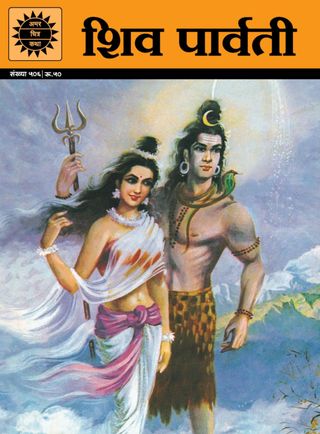
Shiv Parvati
Parvati was born a maiden of the mountains. The mighty god Shiva was practicing meditation in the dense forest. Desiring to win over Shiva, Parvati went to serve him. But Shiva paid no attention to her.
At this time, the gods were being tortured by an invincible demon, so they prayed to the supreme god for a saviour. He assured them that the son of Shiva and Parvati would be the one. So the gods sent Kama, the god of love, to lead Shiva into marrying Parvati. But when the god of love worked his charm, Shiva was disturbed and turned him to ashes. Parvati redoubled her efforts at penance.
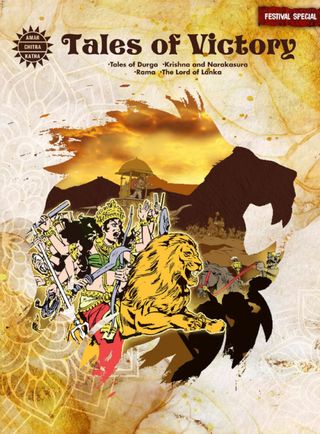
Tales of Victory
Amar Chitra Katha presents Tales of Victory, a festival special collection which includes beloved titles like Tales of Durga, Krishna and Narakasura, Rama as well as Lord of Lanka. These titles celebrate the victory of good over evil, of light over darkness, thus encapsulating the essence of the festive season. Welcome a time of good fortune and happiness with these timeless tales.
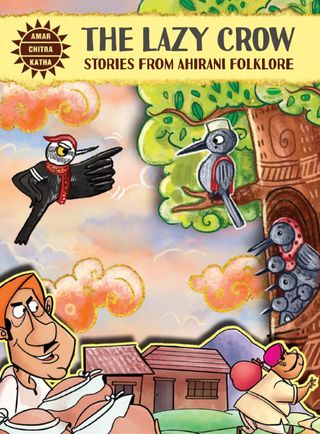
The Lazy Crow
“A crow who was too lazy to build a nest and mice who ate gold. A brave bull that scared a leopard away and a wily fox that fell into a well. A sculptor who always grumbled and a devotee who would do nothing but wait for god to grant his wishes. The stories of the Ahirani people are full of wit and humour.
Amar Chitra Katha brings you The Lazy Crow, a collection of folktales from the Ahirani community of India. Stories that are a representation of their culture as well as an insight into their way of life.”
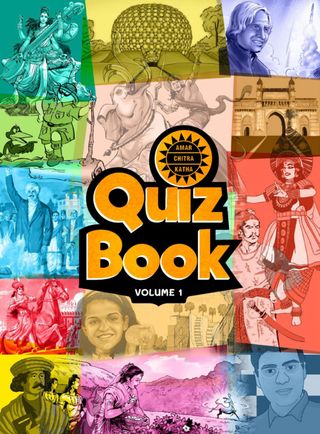
Uncle Pai Day: ACK Quiz Book
After the resounding success of the Amar Chitra Katha Family Quiz, Season One, we bring you some of the questions that were played by over 25000 families from across the country. This book is packed with questions from mythology, history and literature, among others. Do you think you know all the answers?
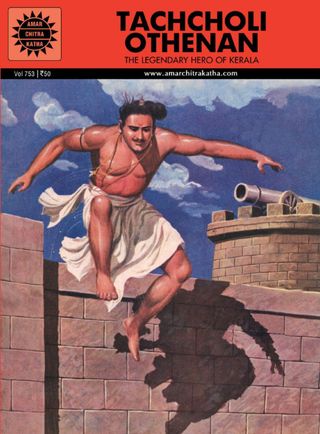
Tachcholi Othenan
In the 14th and 15th centuries, Malabar was a place of feudal brutality. It was a time when fights and duels were the norm and the martial art, Kalaripayattu, had been perfected by the masters. One man who strode across the legends of that time was Tachcholi Othenan, a giant figure who was feared by the powerful and loved by the weak. Even today his stories are sung by the common people, of Kerala, in the form of ballads known as Vadukkam Pattukal.
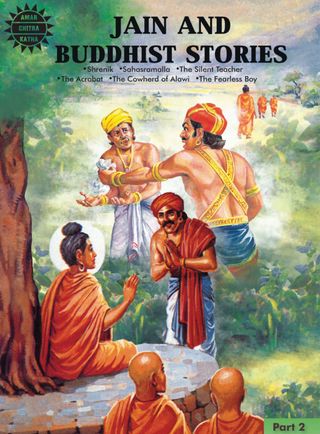
Jain and Buddhist Stories (Part 2)
Amar Chitra Katha presents Jain and Buddhist Stories Part 2, a collection of our existing titles that depict a wealth of knowledge. The book includes beloved titles like Shrenik, Sahasramalla, The Silent Teacher, The Acrobat, The Cowherd of Alawi and The Fearless Boy.


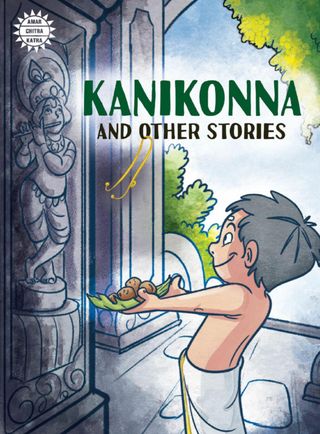
Kanikonna and Other Stories
With stories from places like Kerala, Nagaland, Sikkim, Rajasthan and more, Kanikonna and Other Stories is a collection of folktales from different states of India and Bhutan. Tales from different cultures that will take you on a joyride of laughter and learning.