
Open Access Books
Biomass Chars: Elaboration, Characterization and Applications
Biomass Chars: Elaboration, Characterization and Applications
Biology, Ecology and Management of Crown-of-Thorns Starfish
Biology, Ecology and Management of Crown-of-Thorns Starfish
Biological Potential and Medical Use of Secondary Metabolites
Many macro and micro species, from terrestrial and aquatic environments, produce structurally unique compounds and, in many countries, still are the primary sources of medicines. In fact, secondary metabolites are an important source of chemotherapeutic agents but are also lead compounds for synthetic modification and the optimization of biological activity. Therefore, the exploitation of secondary metabolites, or their inspired synthetic compounds, offers excellent opportunities for the pharmaceutical industry. This Medicines Special Issue focuses on the great potential of secondary metabolites for therapeutic application. The Special Issue contains 16 articles reporting relevant experimental results, and an overview of bioactive secondary metabolites, their biological effects, and new methodologies that improve and accelerate the process of obtained lead compounds with regard to new drug development. We would like to thank all 83 authors, from all over the world, for their valuable contributions to this Special Issue.
Biological Networks
Networks of coordinated interactions among biological entities govern a myriad of biological functions that span a wide range of both length and time scales—from ecosystems to individual cells and from years to milliseconds. For these networks, the concept “the whole is greater than the sum of its parts” applies as a norm rather than an exception. Meanwhile, continued advances in molecular biology and high-throughput technology have enabled a broad and systematic interrogation of whole-cell networks, allowing the investigation of biological processes and functions at unprecedented breadth and resolution—even down to the single-cell level. The explosion of biological data, especially molecular-level intracellular data, necessitates new paradigms for unraveling the complexity of biological networks and for understanding how biological functions emerge from such networks. These paradigms introduce new challenges related to the analysis of networks in which quantitative approaches such as machine learning and mathematical modeling play an indispensable role. The Special Issue on “Biological Networks” showcases advances in the development and application of in silico network modeling and analysis of biological systems.
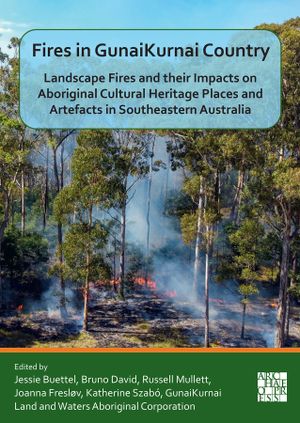
Fires in GunaiKurnai Country: Landscape Fires and their Impacts on Aboriginal Cultural Heritage Places and Artefacts in Southeastern Australia
Anthropogenic climate change has become a reality, and in Australia this means longer wildfire seasons with more intense fires across a wider area. The GunaiKurnai people of southeastern Victoria saw a large proportion of their Country decimated by the Gippsland Fires of ‘Black Summer’ (2019–2020), prompting questions about the management of Country and its heritage places and artefacts, and of the role that traditional (‘cultural’) burning could play. This volume, written at the request of the GunaiKurnai Land and Waters Aboriginal Corporation (GKLaWAC), seeks to investigate these twin issues. Bringing together a multi-disciplinary team of Aboriginal Elders, archaeologists, environmental scientists, ecologists, historians and art historians, it considers the histories of GunaiKurnai and European settler burning-based landscape management practices, the impacts of fire on specific classes of cultural materials, and the broader impact of changing wildfire patterns on cultural sites in the landscape. This is a truly collaborative venture that sees GunaiKurnai and academic expertise brought to bear in the service of common and pressing issues.

Nurse Writers of the Great War
The First World War was the first ‘total war’. Its industrial weaponry damaged millions of men and drove whole armies underground into dangerously unhealthy trenches. Many were killed. Many more suffered terrible, life-threatening injuries: wound infections such as gas gangrene and tetanus, exposure to extremes of temperature, emotional trauma and systemic disease. In an effort to alleviate this suffering, tens of thousands of women volunteered to serve as nurses. Of these, some were experienced professionals while others had undergone only minimal training. But regardless of their preparation, they would all gain a unique understanding of the conditions of industrial warfare. Until recently their contributions, both to the saving of lives and to our understanding of warfare, have remained largely hidden from view. By combining biographical research with textual analysis, Nurse writers of the great war opens a window onto their insights into the nature of nursing and the impact of war.

Biological Efficacy of Natural and Chemically Modified Products against Oral Inflammatory Lesions
Oral health is general health. If the oral cavity is kept healthy, the whole body is always healthy. Bacteria in the oral cavity do not stay in the oral cavity, but rather they travel throughout the body and can induce various diseases. Periodontal pathogens are involved in tooth loss. The number of remaining teeth decreases with age. People with more residual teeth can bite food well and live longer with lower incidence of dementia. There are many viruses in the oral cavity that also cause various diseases. Bacteria and viruses induce and aggravate inflammation, and therefore should be removed from the oral cavity. In the natural world, there are are many as yet undiscovered antiviral, antibacterial and anti-inflammatory substances. These natural substances, as well as chemically modified derivatives, help our oral health and lead us to more fulfilling, high quality lives. This Special Issue, entitled “Biological Efficacy of Natural and Chemically Modified Products against Oral Inflammatory Lesions”, was written by specialists from a diverse variety of fields. It serves to provide readers with up-to-date information on incidence rates in each age group, etiology and treatment of stomatitis, and to investigate the application of such treatments as oral care and cosmetic materials.
Biological Crystallization
For at least six hundred million years, life has been a fascinating laboratory of crystallization, referred to as biomineralization. During this huge lapse of time, many organisms from diverse phyla have developed the capability to precipitate various types of minerals, exploring distinctive pathways for building sophisticated structural architectures for different purposes. The Darwinian exploration was performed by trial and error, but the success in terms of complexity and efficiency is evident. Understanding the strategies that those organisms employ for regulating the nucleation, growth, and assembly of nanocrystals to build these sophisticated devices is an intellectual challenge and a source of inspiration in fields as diverse as materials science, nanotechnology, and biomedicine. However, “Biological Crystallization” is a broader topic that includes biomineralization, but also the laboratory crystallization of biological compounds such as macromolecules, carbohydrates, or lipids, and the synthesis and fabrication of biomimetic materials by different routes. This Special Issue collects 15 contributions ranging from biological and biomimetic crystallization of calcium carbonate, calcium phosphate, and silica-carbonate self-assembled materials to the crystallization of biological macromolecules. Special attention has been paid to the fundamental phenomena of crystallization (nucleation and growth), and the applications of the crystals in biomedicine, environment, and materials science.
Biological and Biogenic Crystallization
The intention of the Special Issue “Biological and Biogenic Crystallization” was to create an international platform aimed at covering a broad field of results involving the crystallization of biological molecules, including virus and protein crystallization, biogenic crystallization including physiological and pathological crystallization taking place in living organisms (human beings, animals, plants, bacteria, etc.), and bio-inspired crystallization. Despite many years of research on biological and biogenic crystals, there are still open questions as well as hot and timely topics. This Special Issue contains seven articles that present a cross-section of the current research activities in the of field of biological and biogenic crystals. The authors of the presented articles prove the vibrant and topical nature of this field. We hope that this Special Issue will serve as a source of inspiration for future investigations, and will be useful for scientists and researchers who work on the exploration of biological and biogenic crystals.
Biological Activity of Natural Secondary Metabolite Products
Natural secondary metabolite products, which are isolated from plants, animals, microorganisms, etc., are classified as polyketides, isoprenoids, aromatics (phenylpropanoids), alkaloids, etc. Their chemical diversity and variety of biological activities have attracted the attention of chemists, biochemists, biologists, etc. The Special Issue on “Biological Activity of Natural Secondary Metabolite Products” is intended to offer biological active natural products as candidates and/or leads for pharmaceuticals, dietary supplements, functional foods, cosmetics, food additives, etc. The research fields of this Special Issue include natural products chemistry, phytochemistry, pharmacognosy, food chemistry, bioorganic synthetic chemistry, chemical biology, molecular biology, molecular pharmacology, and other related research fields of bioactive natural secondary metabolite products. Original research and review articles on all topics in these research fields are invited. I am looking forward to receiving many submissions from outstanding experts in these research fields.
Bio-Inspired Robotics
Modern robotic technologies have enabled robots to operate in a variety of unstructured and dynamically-changing environments, in addition to traditional structured environments. Robots have, thus, become an important element in our everyday lives. One key approach to develop such intelligent and autonomous robots is to draw inspiration from biological systems. Biological structure, mechanisms, and underlying principles have the potential to provide new ideas to support the improvement of conventional robotic designs and control. Such biological principles usually originate from animal or even plant models, for robots, which can sense, think, walk, swim, crawl, jump or even fly. Thus, it is believed that these bio-inspired methods are becoming increasingly important in the face of complex applications. Bio-inspired robotics is leading to the study of innovative structures and computing with sensory–motor coordination and learning to achieve intelligence, flexibility, stability, and adaptation for emergent robotic applications, such as manipulation, learning, and control. This Special Issue invites original papers of innovative ideas and concepts, new discoveries and improvements, and novel applications and business models relevant to the selected topics of “Bio-Inspired Robotics”. Bio-Inspired Robotics is a broad topic and an ongoing expanding field. This Special Issue collates 30 papers that address some of the important challenges and opportunities in this broad and expanding field.
Bioinspired Catechol-Based Systems: Chemistry and Applications
Bioinspired Catechol-Based Systems: Chemistry and Applications

Biogenic Amines on Food Safety
Biogenic amines have been known for some time. These compounds are found in varying concentrations in a wide range of foods (fish, cheese, meat, wine, beer, vegetables, etc.) and their formations are influenced by different factors associated to those foods (composition, additives, ingredients, storage, microorganism, packaging, handing, conservation, etc.). The intake of foods containing high concentrations of biogenic amines can present a health hazard. Additionally, they have been used to establish indexes in various foods in order to signal the degree of freshness and/or deterioration of food. Nowadays, there has been an increase in the number of food poisoning episodes in consumers associated with the presence of these biogenic amines, mainly associated with histamines. Food safety is one of the main concerns of the consumer and safety agencies of different countries (EFSA, FDA, FSCJ, etc.), which have, as one of their main objectives, to control these biogenic amines, principally histamine, to assure a high level of food safety.Therefore, it is necessary to deepen our understanding of the formation, monitoring and reduction of biogenic amines during the development, processing and storage of food, even the effect of biogenic amines in consumers after digestion of foods with different levels of these compounds.With this aim, we are preparing a Special Issue on the topic of “Biogenic Amines in Food Safety”, and we invite researchers to contribute original and unpublished research articles and reviews articles that involve studies of biogenic amines in food, which can provide an update to our knowledge of these compounds and their impacts on food quality and food safety.
Biofuel and Bioenergy Technology
The subject of this book is “Biofuel and Bioenergy Technology”. It aims to publish high-quality review and research papers, addressing recent advances in biofuel and bioenergy. State-of-the-art studies of advanced techniques of biorefinery for biofuel production are also included. Research involving experimental studies, recent developments, and novel and emerging technologies in this field are covered. This book contains twenty-seven technical papers which cover diversified biofuel and bioenergy technology-related research that have shown critical results and contributed significant findings to the fields of biomass processing, pyrolysis, bio-oil and its emulsification; transesterification and biodiesel, gasification and syngas, fermentation and biogas/methane, bioethanol and alcohol-based fuels, solid fuel and biochar, and microbial fuel cell and power generation development. The published contents relate to the most important techniques and analyses applied in the biofuel and bioenergy technology.
BioEnergy and BioChemicals Production from Biomass and Residual Resources
Research and technology developments in bioenergy and biochemical production systems are of the utmost importance for the development of next generation, highly efficient biomass conversion concepts, maximizing the total energy and chemical output. The utilization of non-conventional biomasses and unexploited residual resources (e.g., agriculture and agroindustry wastes), innovative solutions for online monitoring and process control, novel biochemical pathways, microbial platforms and reactor technologies are key issues to be addressed. Though conventional technologies are constantly developing and novel processes are continually emerging, major challenges have still to be solved, such as the design of high performance and cost-effective technologies for the production of bioenergy (gaseous, liquid, sold biofuels, heat, renewable electricity) and biochemicals from residual resources from a biorefinery point of view, where the potential of the biomass and residual waste streams is fully valorized. In this context, evaluation of the environmental, technological, economical, and social sustainability of the concepts developed is of utmost importance. The main objective of this Special Issue is, therefore, to provide cost-effective and technologically sound solutions for next generation bioenergy and biochemical production systems.

Farmsteads and Funerary Sites: The M1 Junction 12 Improvements and the A5–M1 Link Road, Central Bedfordshire
MOLA (Museum of London Archaeology) undertook extensive excavations during the construction of two separate, but adjacent road schemes, some 4.5km apart near Houghton Regis and Toddington, in south Central Bedfordshire. Taken as a whole, the excavations provide a detailed multi-period dataset for regional and national comparison. The first evidence for occupation occurred in the middle/late Bronze Age comprising pits and clusters of postholes, including four-post and six-post structures. Two pit alignments, more than 2km apart, also indicate that land divisions were being established, and in the late Bronze Age/early Iron Age a significant new settlement emerged in the valley bottom. Parts of a further contemporary earlier-middle Iron Age settlement lay at the top of the valley but neither settlement extended into the Roman period. In the late Iron Age or early Roman period three or four new settlements emerged with occupation continuing into the late Roman period in at least one of these. Of particular interest was the recovery of two significant Aylesford-Swarling type cemeteries as well as a third cemetery which largely comprised unurned burials, including some busta, but with few accompanying grave goods. In the late 7th-century a small probable Christian conversion open-ground inhumation cemetery was established with burials accompanied by a range of objects, including a rare work box, knives, brooches, chatelaine keys and a spearhead. Parts of three medieval settlements were uncovered including one with a potters’ working area.
Biodiversity of Vegetable Crops, A Living Heritage
Intensive agriculture has generally resulted in higher productivity, but also in a trend towards decreasing levels of agro-biodiversity, which represents a key point in ensuring the adaptability and resilience of agro-ecosystems in the global challenge to produce more and better food in a sustainable way. The biodiversity of vegetable crops includes genetic diversity—both as species diversity (interspecific diversity) and as a diversity of genes within a species (intraspecific diversity) with regard to the vegetable varieties grown—and the diversity of agro-ecosystems (agro-biodiversity). The purpose of this Special Issue is to publish high-quality research papers addressing recent progress and perspectives on different aspects related to the biodiversity of vegetable crops. Original, high-quality contributions that have not yet been published, or that are not currently under review by other journals have been sought. The papers in this Special Issue cover a broad range of aspects and report recent research results regarding agro-biodiversity, which continues to be of significant relevance for both genetic and agricultural applications. All contributions are of significant relevance and could stimulate further research in this area.
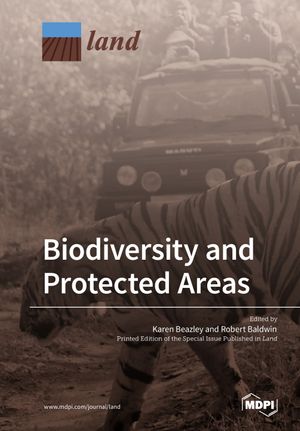
Biodiversity and Protected Areas
Biodiversity and Protected Areas assembles twelve topics from around the world, illustrating the complexities and promise of addressing the biodiversity crisis. Authors from Mongolia, Africa, India, Canada, Iraq, and the United States dwell on particular aspects and challenges relevant to those regions. Lessons and approaches from interesting localities, coupled with global analyses give the reader a synthetic view of emerging problems. The opportunities for understanding common issues across different geographies abound, such as comparing local conservation in sub-Saharan Africa with a distribution of very small protected areas in Massachusetts. Several topics will be of immediate interest to policymakers. The book is illustrated with numerous color maps and figures and the authors strove for clear, uncomplicated writing. The editors provide an overview of chapters, placing them in the context of other biodiversity and protected area literature. Students and conservationists attempting to broaden their views of biodiversity and protected areas should find this collection to be interesting.
Biodiversity and Conservation in Forests
Global forest communities cover only about 30% of land areas, but they provide important ecosystem services, such as watershed protection, carbon sequestration, and oxygen production, as well as renewable forest products for human subsistence and markets. Forests also support the majority of the world’s terrestrial biodiversity. Although land conversion for agriculture and pastureland has historically resulted in fragmentation and declining forested areas, forests worldwide are now experiencing change at an unprecedented rate due to various anthropogenic activities and growing human populations. Global warming trends are altering snowpack and hydrology, fostering outbreaks of native forest pests, and accelerating the loss of older tree age classes. Modeling suggests that future fire regimes in temperate regions will have shorter return intervals, with more severe wildfires. In addition, a by-product of trade and travel globalization has been the accelerated transport of plants and animals, and plant and animal diseases, around the world. Exotic species have altered community composition, especially where foundation tree species are affected. Every forest community worldwide is challenged by some of these problems. In this Special Issue of the journal Forests we explore the unique biodiversity supported by forest communities, how forest communities are rapidly changing, and conservation approaches to preserving forest biodiversity.
Biodegradable Metals
The interest in biocompatible and biodegradable metals, such as magnesium, is mainly related to their potential use as structural material for orthopedic and cardiovascular applications where a temporary medical device is required. However, in the case of magnesium, in vivo experiments have clearly shown that the corrosion degradation rate of magnesium and its alloys is too high and, hence, results in producing gas cavities that can promote the danger of gas embolism, tissue separation, and premature loss of mechanical integrity. The aim of this Special Issue on Biodegradable Metals is to explore and introduce innovative strategies to overcome the current limitations of magnesium.
Bioactive and Therapeutic Dental Materials
This book focus principally on ions-releasing and other smart dental materials for application in preventive and restorative dentistry, as well as in endodontics in the form of adhesives, resin-based composites, pastes, varnishes, liners and dental cements. Special attention has been given to bioactive materials developed to induce cells differentiation/stimulation, hard tissue formation and exert antimicrobial actions. New innovations are necessary to continue to help reinforcing existing technologies and to introduce new paradigms for treating dental disease and restoring teeth seriously compromised by caries lesions via biomimetic and more biological operative approaches. Dental bioactive materials is arguably the latest research area in dentistry and thus the amount of new research is overwhelming. However, in this day and age of evidence based practice it important for this new information to be distilled into a practical and understandable format.

Beyond Foucault: Excursions in Political Genealogy
Trump and Trumpism, 21st century warfare, chronic illness, intellectual property: These are just some of the issues examined here. Inspired by the work of Michel Foucault, this book includes articles from scholars employing political genealogy as a methodology and model of theoretical inquiry representing a wide range of disciplines, from the social sciences to the humanities, from philosophy to medicine, to economics, to political and cultural theory. Featuring some of the best and most current work in political genealogy, this work invites us to rethink many of the key concepts in political theory as well as cultural types of expression that we do not routinely think of as political, such as dance, romantic movies, and literature. Broadly conceived, this volume contains essays—excursions, explorations, experimentations—into how political genealogy helps us to understand what Foucault calls “the history of our present,” while at the same time looking to our future, to what being a political subject will look like in the 21st century.

Beverage Sensory Modification
This Special Issue on “Beverage Sensory Modification” presents a series of articles that feature the broad sense of sensory modification with regards to beverages, either by improving their flavor, taste, and mouthfeel properties, or through prevention of spoilage. The scope goes further than the usual technological measures that modulate sensory properties and includes psychological and cross-modal influences, where the sensory modification occurs in the subject’s brain rather than as a result of modified physical–chemical properties of objects.

Beverage Consumption Habits Around The World: Association With Total Water and Energy intakes
Beverage Consumption Habits around the World: Association with Total Water and Energy Intakes
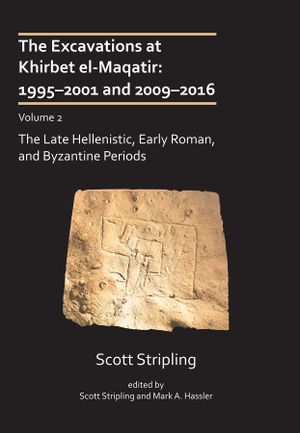
The Excavations at Khirbet el-Maqatir: 1995–2001 and 2009–2016: Volume 2: The Late Hellenistic, Early Roman, and Byzantine Periods
Khirbet el-Maqatir lies 16 km north of Jerusalem. The Associates for Biblical Research excavated 14 summer seasons and 5 winter seasons between 1995 and 2016. The remains range from Middle Bronze Age to Early Islamic and include a Bronze Age fortress, a Late Hellenistic/Early Roman village, and a Byzantine ecclesiastical complex. Volume 2 focuses on the later time periods.
Berry Crop Production and Protection
Berry crops include, but are not limited to, the genera: Fragaria (strawberry, Rosaceae), Ribes (currant and gooseberry, Grossulariaceae), Rubus (brambles: raspberry and blackberry; Rosaceae), Vaccinium (blueberry, cranberry and lingonberry; Ericaceae) and Vitis (grapes, Vitaceae). The significant role of these fruits in maintaining human health has increased their popularity and production, dramatically, across the world. This Special Issue of Agronomy covers berry crops in the areas of breeding, genetics, germplasm, production systems, propagation, plant and soil nutrition, pest and disease management, postharvest, health benefits, marketing and economics and other related areas. The aim will be to bring together a collection of valuable articles that will serve as a foundation of innovative ideas for production and protection of health-promoting berry crops in changed environment.]