
Books
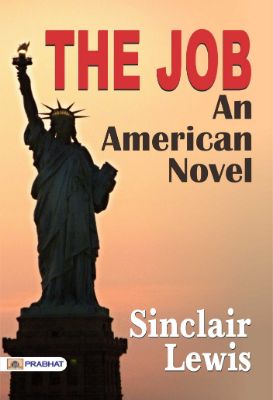
The Job: An American Novel by Sinclair Lewis
First published in the year 1917, the present novel ‘The Job: An American Novel’ by American novelist Sinclair Lewis is considered an early declaration of the rights of working women. The plot focuses on the main character, Una Golden, and her desire to establish herself in a legitimate occupation while balancing the eventual need for marriage. The story takes place in the early 1900-1920s and takes Una from a small Pennsylvania town to New York. Forced to work due to family illness, Una shows a talent for the traditional male bastion of commercial real estate and, while valued by her company, she struggles to achieve the same status of her male coworkers.

Barchester Towers by Anthony Trollope
First published in the year 1857, the present book ‘Barchester Towers’ by Anthony Trollope is part of his series known as the “Chronicles of Barsetshire”. Among other things it satirises the then raging antipathy in the Church of England between High Church and Evangelical adherents.
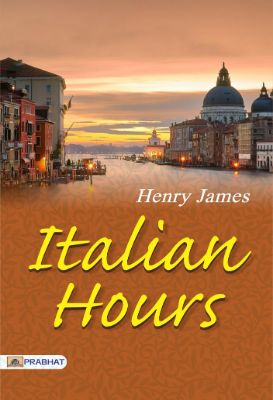
Italian Hours by Henry James
Italian Hours is a book of travel writing by Henry James published in 1909. The book collected essays that James had written over nearly forty years about a country he knew and loved well. James extensively revised and sometimes expanded the essays to create a more consistent whole. (courtesy: wikipedia)

The Son of the Wolf by Jack London
“‘Carmen won’t last more than a couple of days.’ Mason spat out a chunk of ice and surveyed the poor animal ruefully, then put her foot in his mouth and proceeded to bite out the ice which clustered cruelly between the toes.
“‘I never saw a dog with a highfalutin’ name that ever was worth a rap,’ he said, as he concluded his task and shoved her aside. ‘They just fade away and die under the responsibility. Did ye ever see one go wrong with a sensible name like Cassiar, Siwash, or Husky? No, sir! Take a look at Shookum here, he’s—’ Snap! The lean brute flashed up, the white teeth just missing Mason’s throat.” -an excerpt

Main Street by Sinclair Lewis
“ON a hill by the Mississippi where Chippewas camped two generations ago, a girl stood in relief against the cornflower blue of Northern sky. She saw no Indians now; she saw flour-mills and the blinking windows of skyscrapers in Minneapolis and St. Paul. Nor was she thinking of squaws and portages, and the Yankee fur-traders whose shadows were all about her. She was meditating upon walnut fudge, the plays of Brieux, the reasons why heels run over, and the fact that the chemistry instructor had stared at the new coiffure which concealed her ears.” -an excerpt
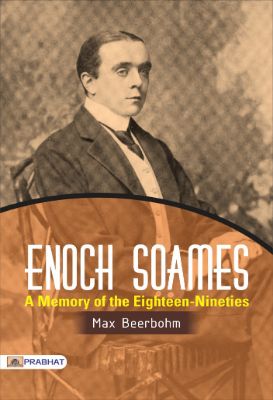
Enoch Soames: A Memory of the Eighteen-Nineties by Max Beerbohm
“When a book about the literature of the eighteen-nineties was given by Mr. Holbrook Jackson to the world, I looked eagerly in the index for Soames, Enoch. It was as I feared: he was not there. But everybody else was. Many writers whom I had quite forgotten, or remembered but faintly, lived again for me, they and their work, in Mr. Holbrook Jackson’s pages. The book was as thorough as it was brilliantly written. and thus the omission found by me was an all the deadlier record of poor Soames’s failure to impress himself on his decade.” -an excerpt
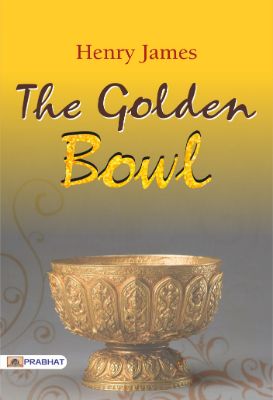
The Golden Bowl by Henry James
First published in the year 1904, the present novel ‘The4 Golden Bowl’ by one of the foremost modern classic English novelists Henry James, is set in England. The novel explores the tangle of interrelationships between a father and daughter and their respective spouses. The novel focuses deeply and almost exclusively on the consciousness of the central characters, with sometimes obsessive detail but also with powerful insight.
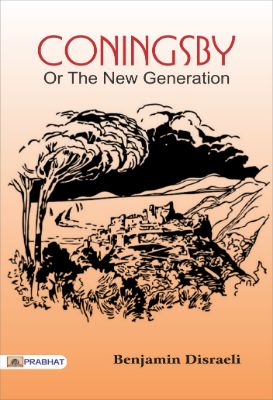
Coningsby; Or, The New Generation by Benjamin Disraeli
First published in the year 1844, the present political novel ‘Coningsby; Or, The New Generation’ by Benjamin Disraeli, follows the life and career of Henry Coningsby, the orphan grandson of a wealthy marquess, Lord Monmouth. Lord Monmouth initially disapproved of Coningsby’s parents’ marriage, but on their death he relents and sends the boy to be educated at Eton College. At Eton Coningsby meets and befriends Oswald Millbank, the son of a rich cotton manufacturer who is a bitter enemy of Lord Monmouth. The two older men represent old and new wealth in society.
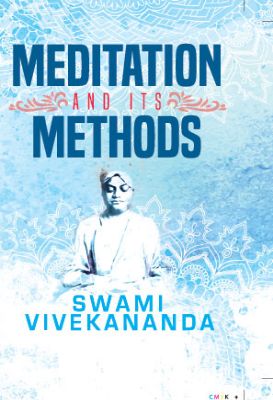
A Political Romance by Laurence Sterne
First published in the year 1759, the present novel ‘A Political Romance’ by famous novelist Laurence Sterne can be considered a mock-epic allegory that describes a provincial squabble between a church-lawyer, an archbishop and a Dean, i.e. a “Lilliputian” satire on ecclesiastical politics in Sterne’s York. (courtesy: wikipedia)
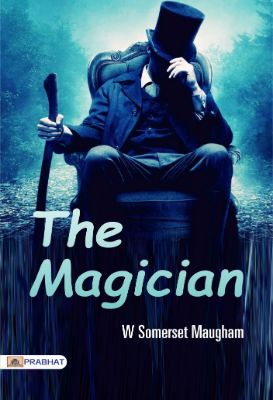
The Magician by W Somerset Maugham
First published in the year 1908, the present fantasy fiction novel ‘The Magician’ by British author W. Somerset Maugham is about a magician Oliver Haddo, a caricature of Aleister Crowley, who attempts to create life.
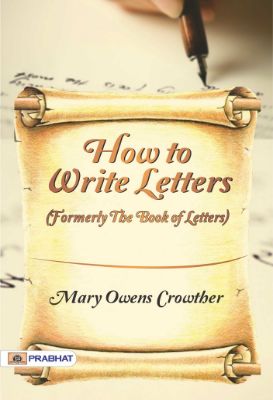
How to Write Letters (Formerly The Book of Letters) by Mary Owens Crowther
The present book ‘How to Write Letters (Formerly The Book of Letters)’ was written by Mary Owens Crowther. It was first published in the year 1922. This book is aimed at guiding readers on how to write a letter.

The Fortunate Mistress (Parts 1 and 2) by Daniel Defoe
The present novel ‘The Fortunate Mistress (Parts 1 and 2)’ by Daniel Defoe was first published in the year 1724. It became a popular hit in the eighteenth century and was reprinted frequently.

Grace Abounding to the Chief of Sinners by John Bunyan
First published in the year 1666, the present book ‘Grace Abounding to the Chief of Sinners’ is a Puritan spiritual autobiography written by John Bunyan. It was written while Bunyan was serving a twelve-year prison sentence in Bedford gaol for preaching without a license.

The Journal to Stella by Jonathan Swift
The present book ‘The Journal to Stella’ is a collection of 65 letters that Jonatham Swift wrote to his friend Esther Johnson, whom he called Stella and whom he may have secretly married. This collection was first published in the year 1766.

An Old-Fashioned Girl by Louisa May Alcott
“””As a preface is the only place where an author can with propriety explain a purpose or apologize for shortcomings, I venture to avail myself of the privilege to make a statement for the benefit of my readers.
“”As the first part of “An Old-Fashioned Girl” was written in 1869, the demand for a sequel, in beseeching little letters that made refusal impossible, rendered it necessary to carry my heroine boldly forward some six or seven years into the future. The domestic nature of the story makes this audacious proceeding possible; while the lively fancies of my young readers will supply all deficiencies, and overlook all discrepancies.”” -Preface by Louisa May Alcott”

The House of the Seven Gables by Nathaniel Hawthorne
First published in the year 1851, the present gothic novel ‘The House of the Seven Gables’ by American author Nathaniel Hawthorne follows a New England family and their ancestral home. The setting for the book was inspired by a gabled house in Salem belonging to Hawthorne’s cousin Susanna Ingersoll and by ancestors of Hawthorne who had played a part in the Salem Witch Trials of 1692.
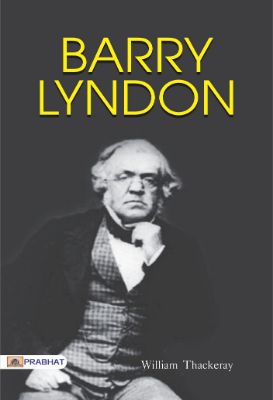
Barry Lyndon by William Thackeray
First published in the year 1844, the present novel ‘Barry Lyndon’ by William Thackeray is about a member of the Irish gentry trying to become a member of the English aristocracy.
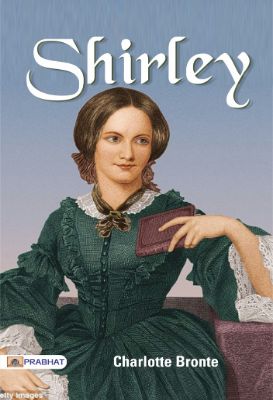
Shirley by Charlotte Brontë
First published in the year 1849, the present novel ‘Shirley’ by one of the most famous novelists of the Victoirian era and one of the famous three Bronte sisters in the English literary history – Charlotte Brontë. The novel is set in Yorkshire in the period 1811–12, during the industrial depression resulting from the Napoleonic Wars and the War of 1812. The novel is set against a backdrop of the Luddite uprisings in the Yorkshire textile industry.
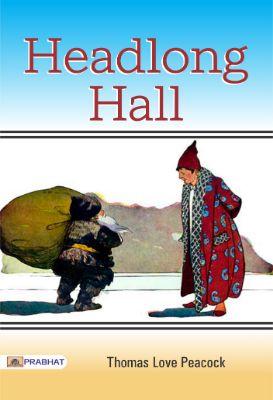
Headlong Hall by Thomas Love Peacock
First published in the year 1816, the present novel ‘Headlong Hall’ by Thomas Love Peacock was his first long work of fiction. In this novel Peacock assembles a group of eccentrics, each with a single monomaniacal obsession, and derives humor and social satire from their various interactions and conversations.

Ethan Frome by Edith Wharton
First published in the year 1911, the present novel ‘Ethan Frome’ was written by the Pulitzer Prize-winning American author Edith Wharton. It is set in the fictitious town of Starkfield, Massachusetts. The novel is framed by the literary device of an extended flashback. The prologue opens with an unnamed male narrator spending a winter in Starkfield, a fictional town in New England, while in the area on business. He spots a limping, quiet man around the village, who is somehow compelling in his demeanor and carriage.

The African Colony: Studies in the Reconstruction by John Buchan
“On the last day of May 1902 the signature at Pretoria of the conditions of peace brought to an end a war which had lasted for nearly three years, and had among other things destroyed a government, dissolved a society, and laid waste a country. In those last months of fighting some progress had been made with the reconstruction—at least with that not unimportant branch of it which is concerned with the machinery of government. A working administration had been put together, new ordinances in the form of proclamations had been issued, departments had been created and the chief appointments made, the gold industry was beginning to set its house in order, refugees were returning, and already political theories were being mooted and future parties foreshadowed. But it is from the conclusion of peace that the work of resettlement may fairly be taken to commence. Before that date the restrictions of war limited all civil activity; not till the shackles were removed and the civil power left in sole possession does a fair field appear either for approval or criticism.” -Introduction
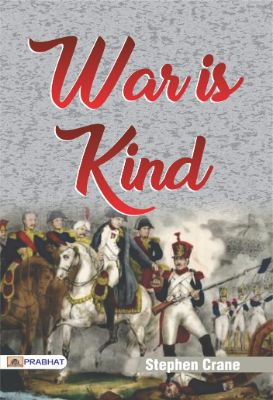
War is Kind by Stephen Crane
First published in the year 1899, the present book ‘War is Kind’ is a collection of poems by American poet, novelist, and short story writer Stephen Crane. This collection was published less than an year before the author’s death. The title belongs to the first poem in his second poetry collection which is about war and its effects.

Dracula by Bram Stoker
First published in the year 1897, the present gothic novel ‘Dracula’ by Irish author Bram Stoker introduced Count Dracula, and established many conventions of subsequent vampire fantasy. It tells the story of Dracula’s attempt to move from Transylvania to England so that he may find new blood and spread the undead curse, and of the battle between Dracula and a small group of men and women led by Professor Abraham Van Helsing.
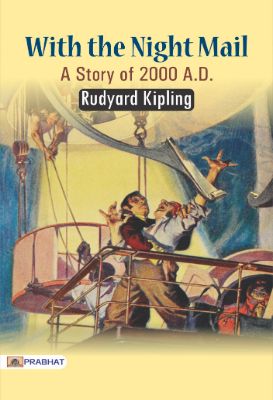
With the Night Mail: A Story of 2000 A.D. by Rudyard Kipling
“At nine o’clock of a gusty winter night I stood on the lower stages of one of the G. P. O. outward mail towers. My purpose was a run to Quebec in “Postal Packet 162 or such other as may be appointed”; and the Postmaster-General himself countersigned the order. This talisman opened all doors, even those in the despatching-caisson at the foot of the tower, where they were delivering the sorted Continental mail. The bags lay packed close as herrings in the long gray under-bodies which our G. P. O. still calls “coaches.” Five such coaches were filled as I watched, and were shot up the guides to be locked on to their waiting packets three hundred feet nearer the stars.” -an excerpt

Aaron’s Rod by DH Lawrence
First published in the year 1922, the present novel ‘Aaron’s Rod’ was written by famous English novelist, poet, playwright, essayist, literary critic and painter – DH Lawrence. The title has its reference in the Bible’s Old testament.
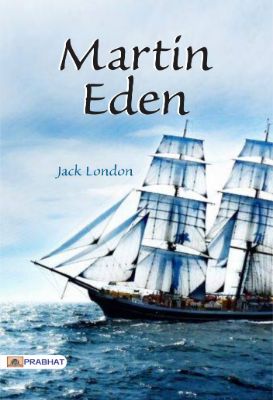
Martin Eden by Jack London
First published in the year 1909, the present novel ‘Martin Eden’ by famous novelist Jack London tells the story of a young proletarian autodidact struggling to become a writer. The central theme of Eden’s developing artistic sensibilities places the novel in the tradition of the Künstlerroman, in which is narrated the formation and development of an artist.
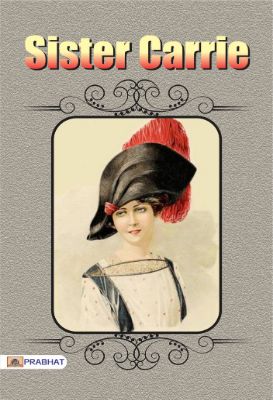
Sister Carrie by Theodore Dreiser
First published in the year 1900, the present novel ‘Sister Carrie’ by Theodore Dreiser is about a young country girl who moves to the big city where she starts realizing her own American Dream, first as a mistress to men that she perceives as superior, and later becoming a famous actress.

Heart of Darkness by Joseph Conrad
First published in the year 1899, the present novel ‘Heart of Darkness’ by Polish-British novelist Joseph Conrad. It is about a voyage up the Congo River into the Congo Free State, in the heart of Africa, by the story’s narrator Marlow. Marlow tells his story to friends aboard a boat anchored on the River Thames, London, England. This setting provides the frame for Marlow’s story of his obsession with the ivory trader Kurtz, which enables Conrad to create a parallel between London and Africa as places of darkness.
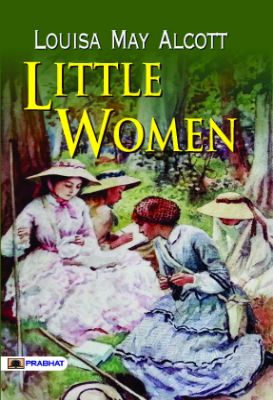
Little Women by Louisa May Alcott
First published in two volumes in 1868 and 1869, the present novel ‘Little Women’ by American author Louisa May Alcott follows the lives of four sisters—Meg, Jo, Beth, and Amy March—detailing their passage from childhood to womanhood, and is loosely based on the author and her three sisters.
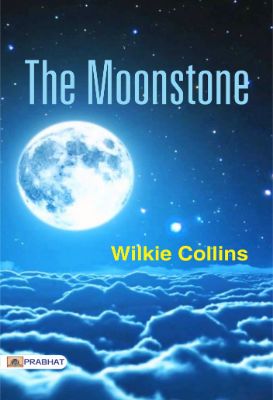
The Moonstone by Wilkie Collins
First published in a serialized form in Charles Dickens’ magazine ‘All the Year Round’, the present novel ‘The Moonstone’ by Wilkie Collins is a 19th-century British epistolary novel. This work reflected Collins’ enlightened social attitudes in his treatment of the servants in the novel.