
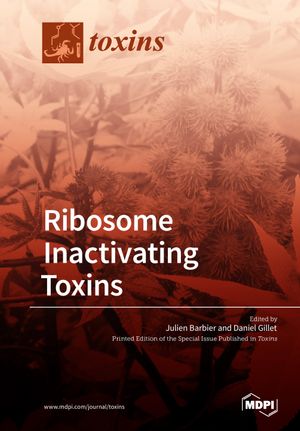

Ribosome Inactivating Toxins
Ribosome inactivating proteins (RIPs) form a vast family of hundreds of toxins from plants, fungi, algae and bacteria. RIP activities have also been detected in animal tissues. They target a single adenine of a ribosomal RNA, thereby blocking protein synthesis and leading intoxicated cells to apoptosis. The role of plant RIPs may be related to plant defense against predators and viruses, plant senescence or bacterial pathogenesis. Most RIPs are no threat to human or animal health. However, several bacterial RIPs are major virulence factors involved in severe epidemic diseases such as dysentery or the hemolytic uremic syndrome that may occur in patients suffering from Shiga toxin-producing entero-hemorrhagic Escherichia coli infection. Several plant RIPs such as ricin toxin, abrin or sarcin have been, or may be involved in accidental or criminal poisonings, political intimidation or bio-suicides. Health crisis, biosafety and biosecurity issues became a major concern and many efforts are made to develop treatments. Finally, RIPs can be engineered into immunotoxins to destroy cancer cells or cells chronically infected by viruses.This book presents the most recent data on all aspects of RIPs including function, diversity and evolution, mechanism, pathophysiology, medical countermeasures and engineering into anticancer drugs.
| Publication Language | English |
|---|---|
| Publication Access Type | Freemium |
| Publication Author | Daniel Gillet |
| Publisher | MDPI |
| Publication Year | 2023 |
| Publication Type | eBooks |
| ISBN/ISSN | 9780000000000 |
| Publication Category | Open Access Books |
Kindly Register and Login to Shri Guru Nanak Dev Digital Library. Only Registered Users can Access the Content of Shri Guru Nanak Dev Digital Library.
You must be logged in to post a review.



Reviews
There are no reviews yet.